Uncategorized

Building the optimal user database model for your application

In the past, I’ve often wrestled with designing an optimal relational database model to represent users in a multi-tenant system. I’ve wanted to get the model just right—enough structure to accomodate future enhancements without bloating the schema with excessive JOINs, overly-wide tables, or any other number of typical relational-database “sins”. Over four years into our […]

Building the optimal user database model for your application Read More »

New feature: @mentions!

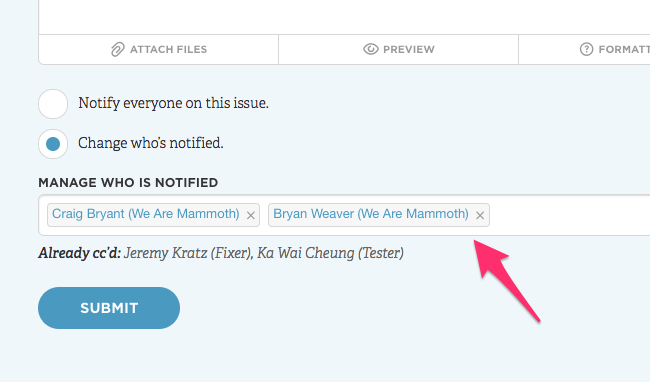
One of the most frequent requests we’ve received over the past year is to make it easier to loop people in on issues. Up until now, you could only do this via the “Notify these people of issue updates” dropdown field when creating an issue or the “Manage who is notified” dropdown within an issue

New feature: @mentions! Read More »

Where automated testing should (and shouldn’t) fit in your testing strategy

Having worked with automated testing in various forms for a few years now, I’ve come to a few conclusions about where it fits in the mindset of a software developer—and about how it can become a crutch in programmer behavior if we fit it improperly. Testing vs. checking For a while now, something’s felt strange

Where automated testing should (and shouldn’t) fit in your testing strategy Read More »

Using Git and Subversion tools to update DoneDone issues

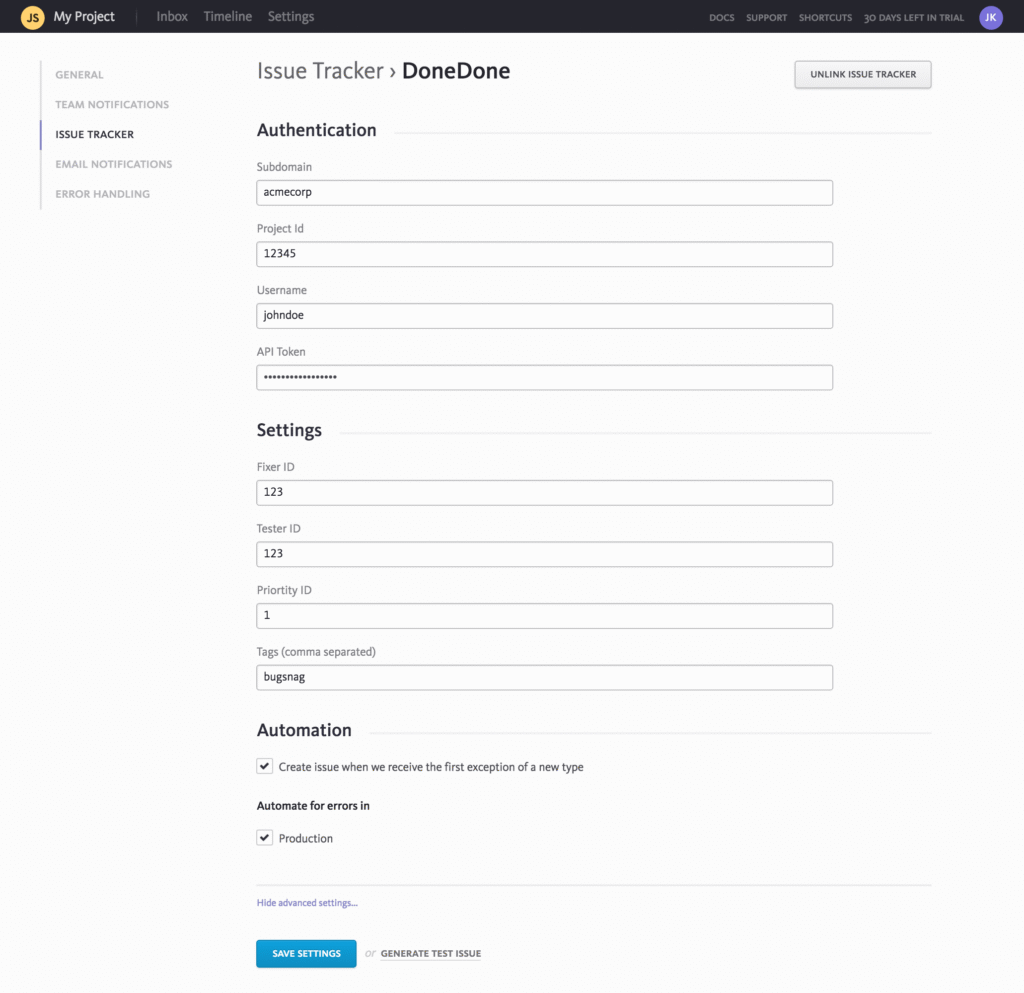
Last Friday we released Git and Subversion integration for two fantastic version control services, GitHub and Beanstalk. What this means is that programmers can make a number of changes to DoneDone issues directly from their version control tools (Cornerstone, Tortoise, command line, etc.), provided their repositories are hosted at one of the above services. We

Using Git and Subversion tools to update DoneDone issues Read More »

Scroll to Top